Carpet pads vs multi-rollers
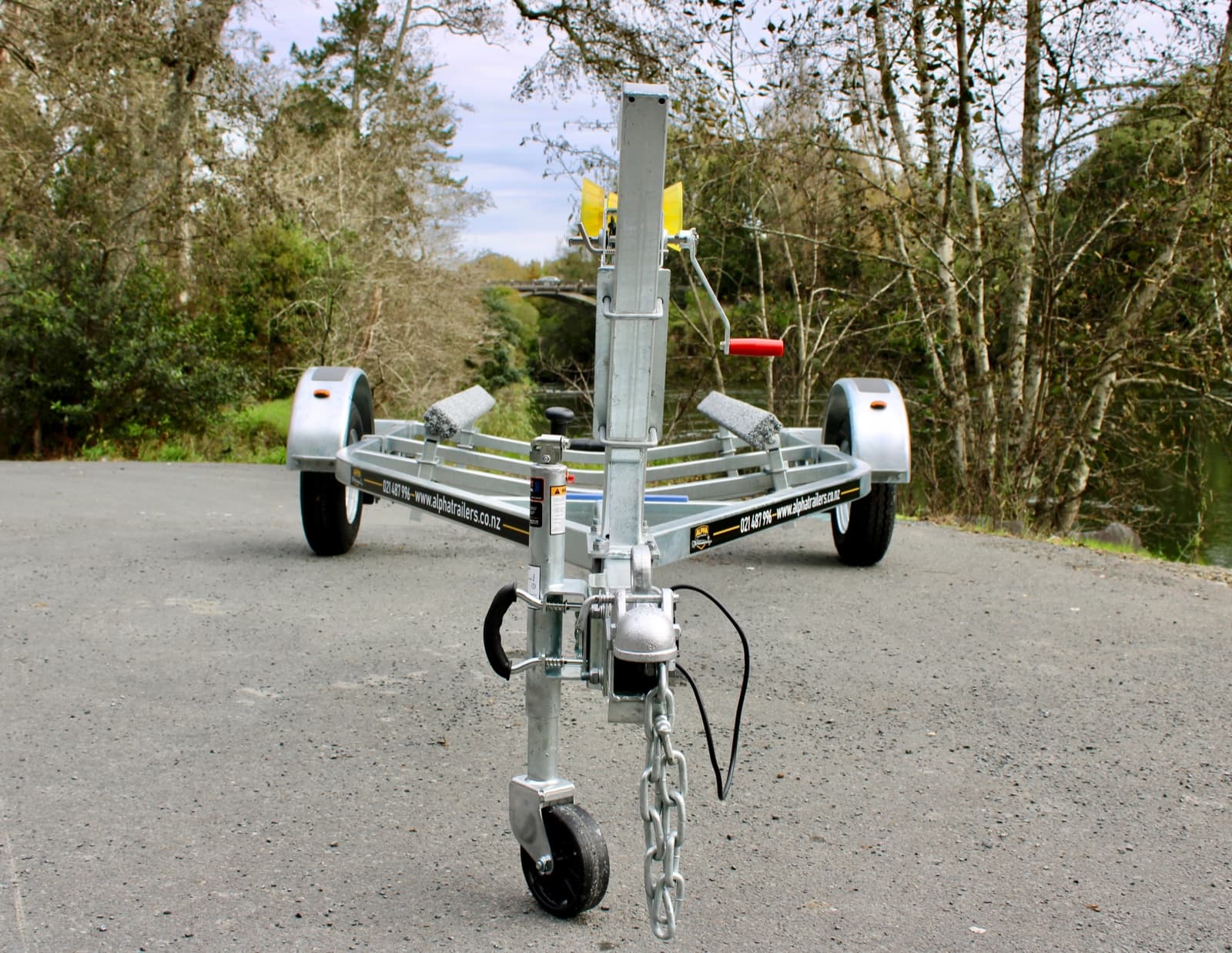
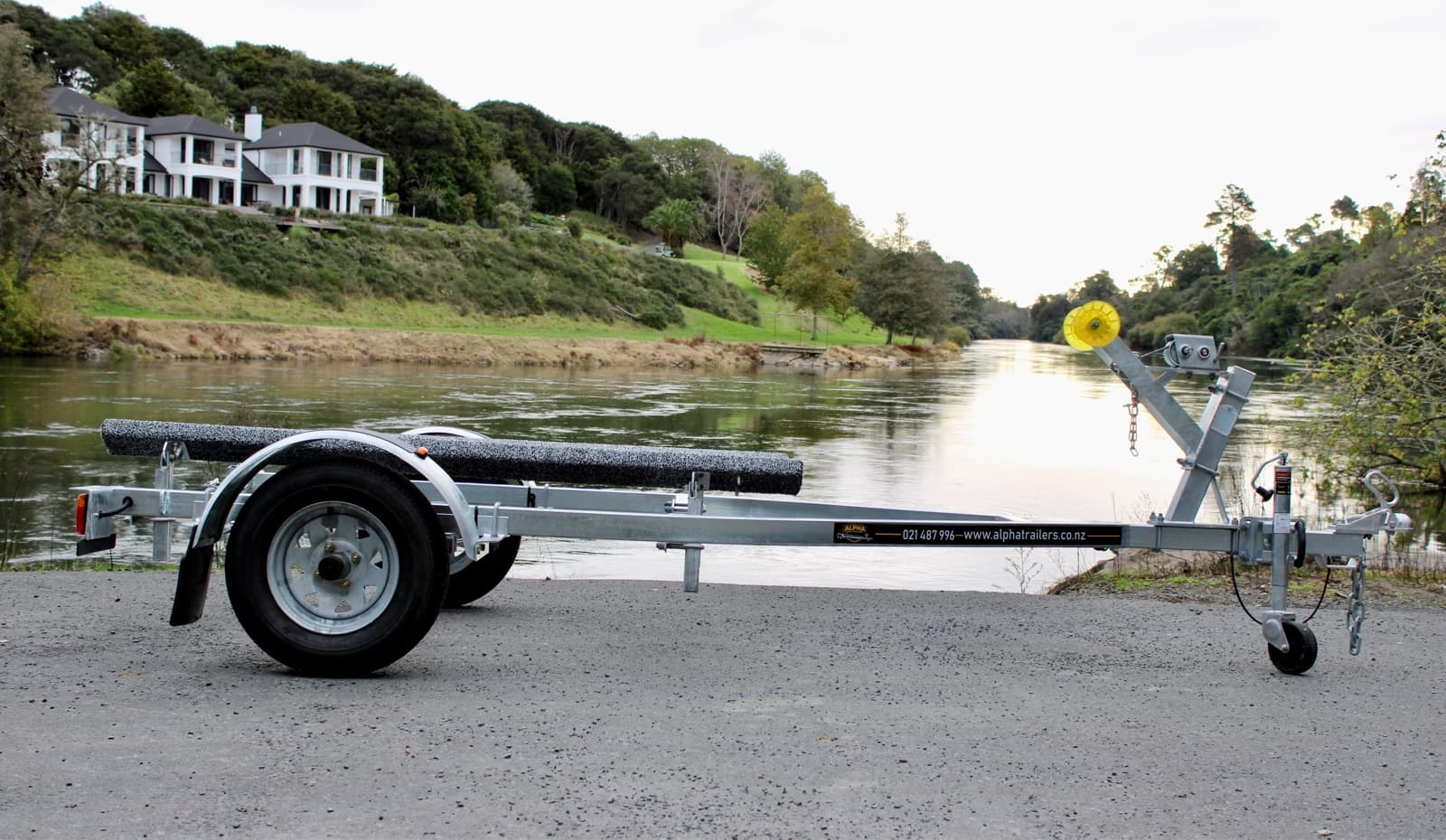
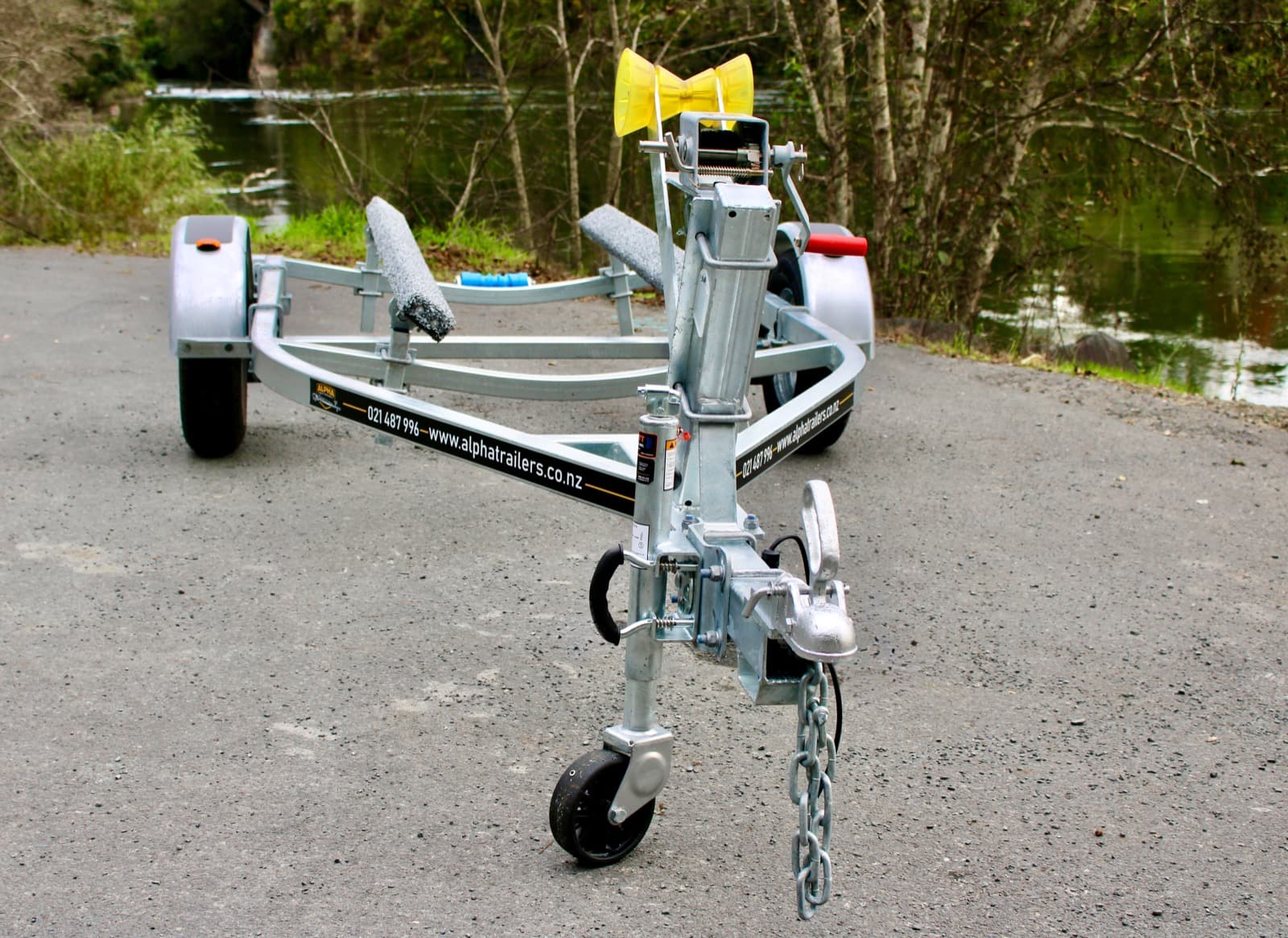
Carpet pad trailers use synthetic lawn-covered bunks that cradle the hull. They provide good support for fibreglass boats, wooden hulls, soft-bottomed inflatables, and any boat launched from a deep ramp where you can float the boat on and off. Pads are the most affordable option and suit lighter boats well.
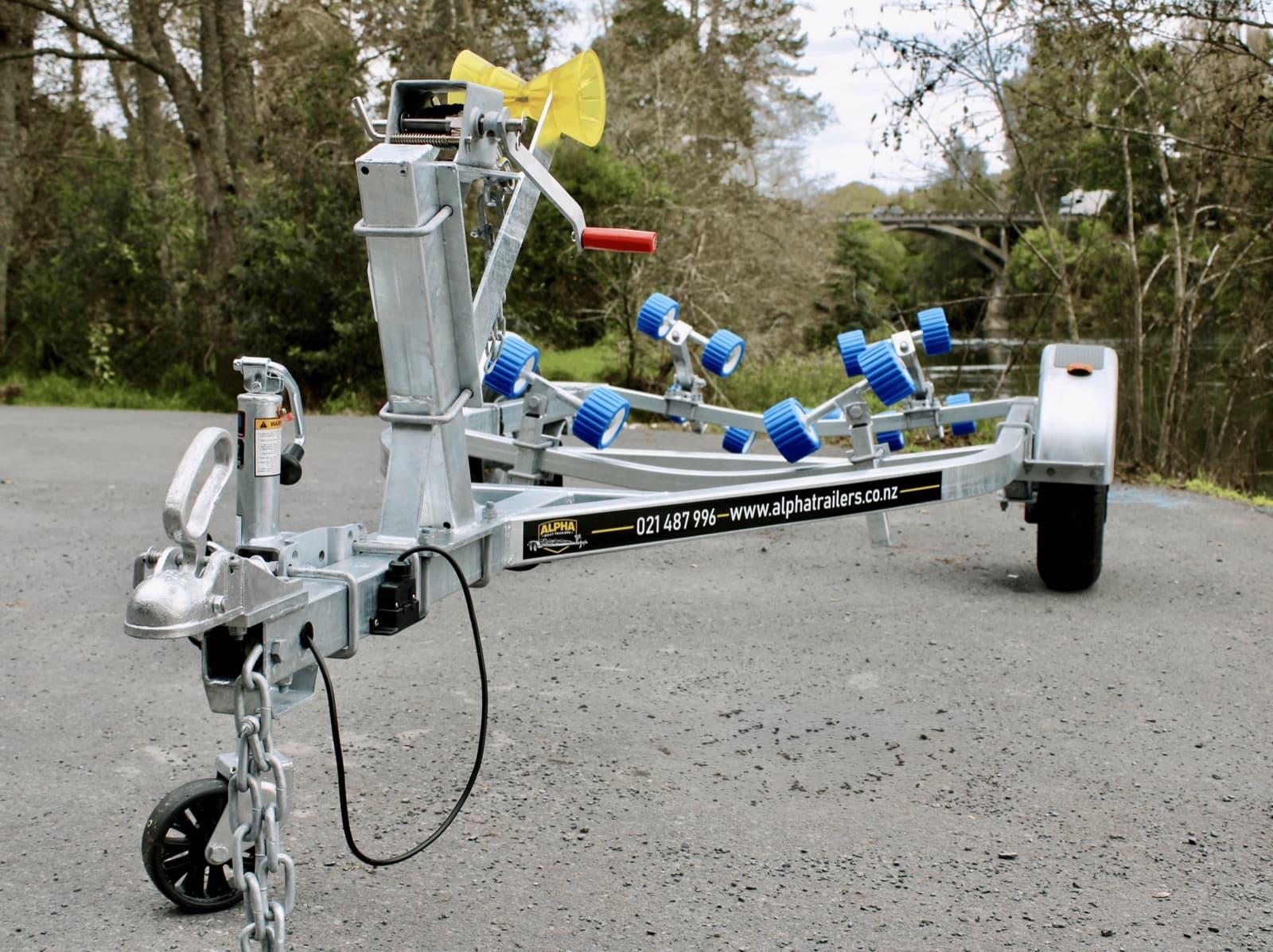
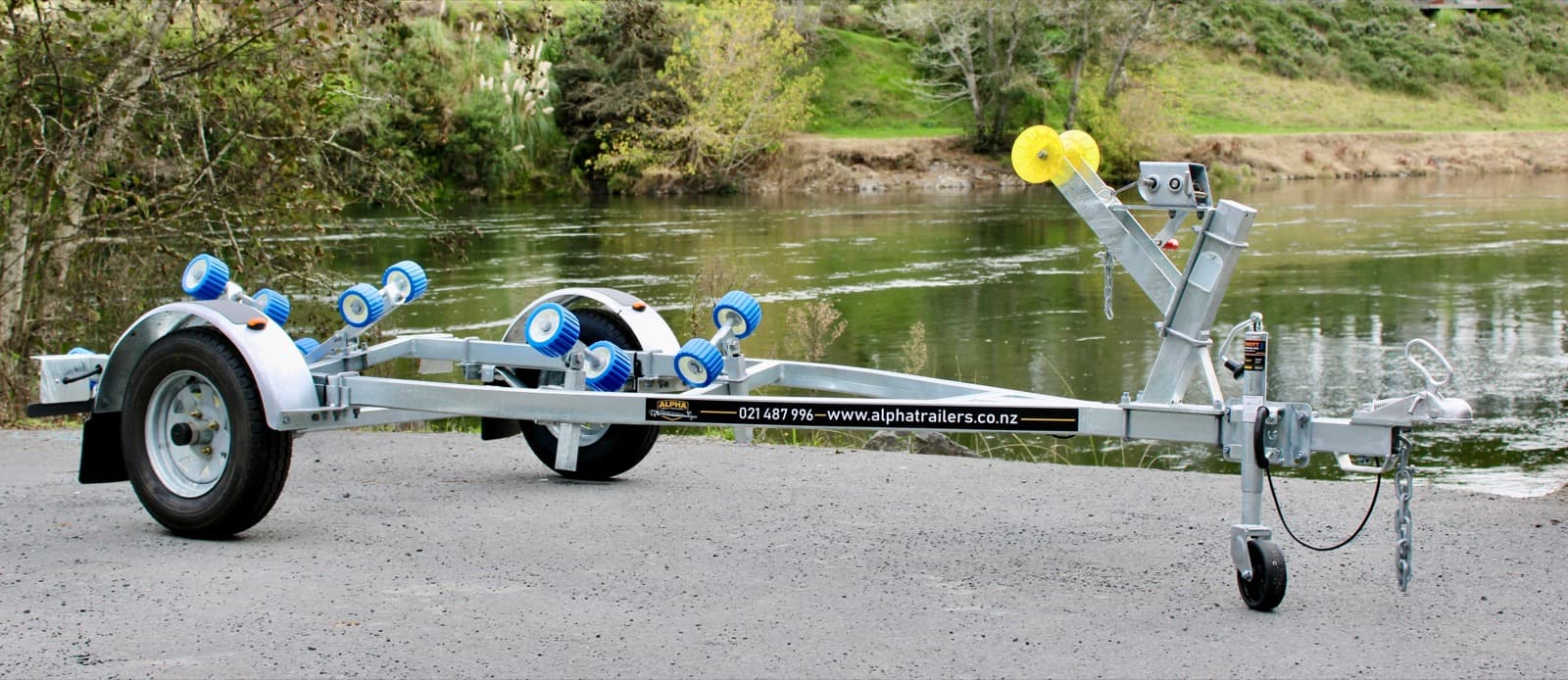
Multi-roller trailers use a series of keel and side rollers that let the boat roll on and off under its own weight. This is a significant advantage at shallow ramps, tidal boat ramps, and for solo launching. If you regularly launch without a helper or use ramps where the water does not come far up the trailer, rollers will make your life much easier.
Matching your hull type
Aluminium tinnies and V-hull boats generally do better on roller trailers because the keel sits on the centre rollers and the boat self-centres as you winch it on. Flat-bottomed boats, pontoon dinghies, and soft inflatables sit more naturally on carpet pads because the weight is spread across the full bunk.
Brakes: when you need them
New Zealand law requires trailer brakes when the gross vehicle mass (trailer + boat + gear) exceeds 750kg. Most small boats under 14ft with a standard outboard will sit comfortably under this limit. If you are close to the threshold, weigh your boat fully loaded (including fuel, tackle, and safety gear) to be sure. Alpha Trailers can advise on whether you need a braked setup.
Why galvanising matters even for small trailers
Even if you only launch a few times per season, salt water and coastal air accelerate corrosion on painted or zinc-sprayed frames. Every Alpha trailer is fully hot-dip galvanised, meaning the entire frame is dipped in molten zinc for inside-and-out protection. This is not a cosmetic coating: it is a structural investment that keeps your trailer safe and roadworthy for years.