Steel vs Aluminium Boat Trailers: What NZ Boaters Need to Know
Galvanised steel or aluminium? We compare the two most common boat trailer materials in New Zealand — strength, corrosion resistance, repairability, cost, and which makes more sense for Kiwi conditions.
Ray — Alpha Trailers
Based in the Waikato, NZ
The material your trailer is made from matters
When you start shopping for a boat trailer in New Zealand, you will quickly notice two main material options: galvanised steel and aluminium. Each has genuine advantages. The question is which set of advantages matters most for how you actually use your trailer — not which material sounds better on paper. This guide compares galvanised steel and aluminium boat trailers across the factors that actually matter to NZ boaters: strength, corrosion resistance, repairability, weight, cost, and real-world durability on our roads and ramps.
Galvanised steel: the case for strength
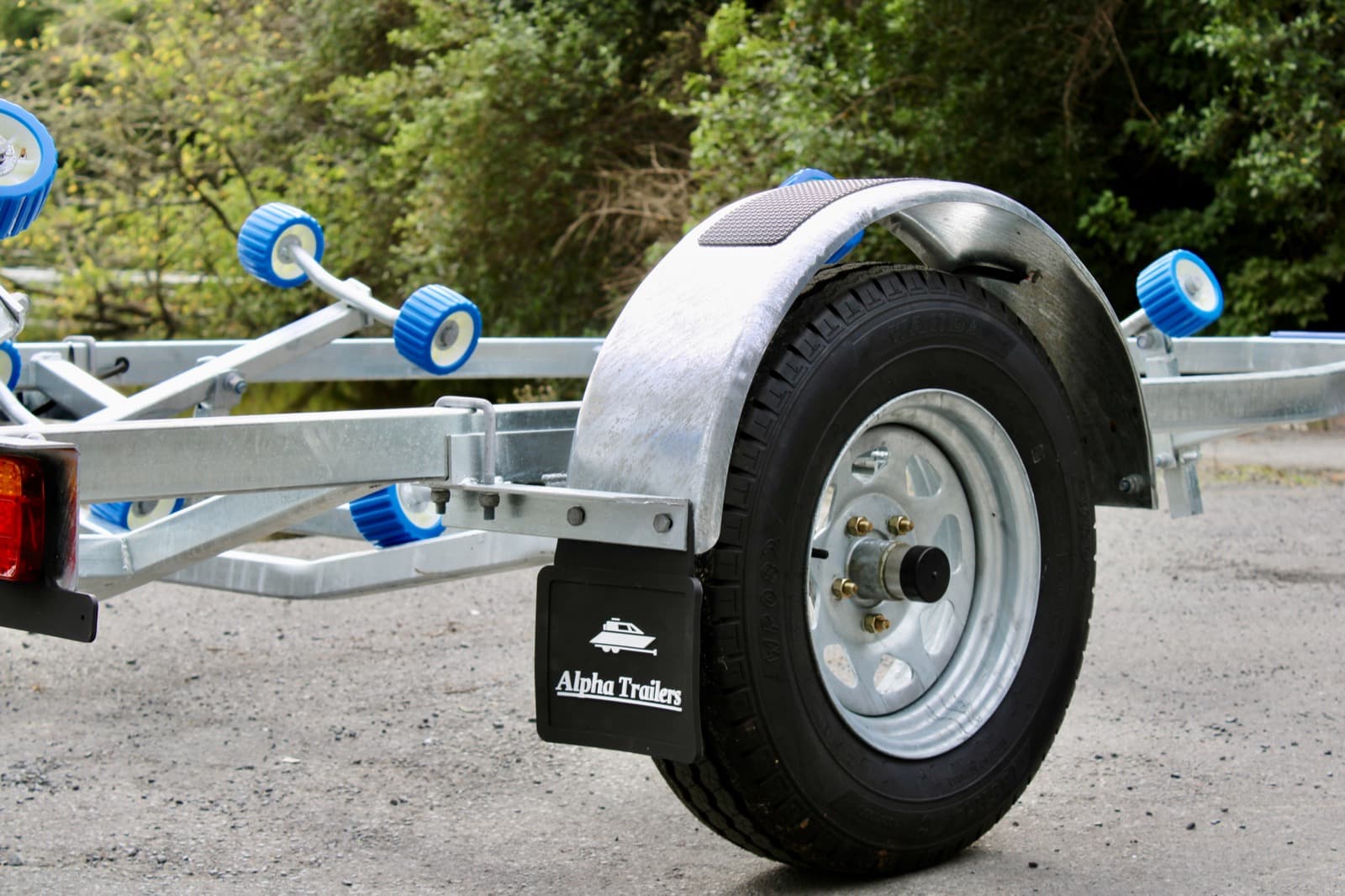
Steel has been the standard trailer material for decades, and for good reason. Steel is inherently stronger than aluminium for a given section size, which means a steel trailer can use smaller, lighter-profile chassis members while still carrying the same load. This matters because structural strength determines how your trailer handles potholes, rough ramp approaches, and the stress of carrying a heavy boat at highway speeds. When steel is properly hot-dip galvanised — submerged in molten zinc so every surface is coated, inside and out — it gains excellent corrosion protection on top of its inherent strength.
- —Higher strength-to-section-size ratio than aluminium
- —Hot-dip galvanising provides long-term corrosion protection in salt water environments
- —Easier and cheaper to repair — any engineering shop can weld steel
- —Lower upfront cost than equivalent aluminium trailers
- —Time-tested in New Zealand coastal conditions
- —Heavier than aluminium for the same sized frame (though the section can be smaller)
Aluminium: the case for lightness
Aluminium trailers are lighter than galvanised steel trailers of equivalent capacity. This weight saving is real and can matter if you are pushing your vehicle's tow rating or if you regularly need to manoeuvre the trailer by hand. Aluminium also does not rust in the traditional sense — it forms a natural oxide layer that protects the surface. This makes aluminium trailers popular with boaters who want a low-maintenance frame that looks clean after years of use.
- —Significantly lighter than steel for the same frame size
- —Natural corrosion resistance — does not rust like untreated steel
- —Stays looking cleaner over time with less visible corrosion
- —Lower tow weight can be an advantage for smaller vehicles
- —More expensive upfront — typically 30 to 50 percent more than equivalent steel
- —More difficult and expensive to repair — requires specialist aluminium welding
- —Can suffer from galvanic corrosion when in contact with dissimilar metals in salt water
Real-world NZ conditions: what actually happens
In theory, aluminium sounds like the ideal coastal material. In practice, New Zealand boat trailers face a specific set of conditions that complicate the picture. Most trailers get dunked in salt water at the ramp, driven at highway speed to dry out, then dunked again. They cop sand, gravel, and road debris. They sit in the sun for months and then get asked to perform flawlessly on the first trip of the season. Hot-dip galvanised steel handles this cycle well. The zinc coating sacrificially protects the steel underneath, and even when the coating gets scratched or chipped, the surrounding zinc continues to protect the exposed area through cathodic protection. Aluminium handles salt water well on its own, but when aluminium meets steel hardware — bolts, axle components, coupling fittings — in a salt water environment, galvanic corrosion can accelerate. This dissimilar-metal corrosion is a real issue on aluminium trailers and requires careful isolation of steel components.
Repairability and lifetime cost
This is where galvanised steel has a clear practical advantage in New Zealand. If a steel trailer frame gets damaged — bent in a ramp mishap, cracked from a hard impact — any local engineering shop can weld it back together. The repair can then be cold-galvanised or zinc-sprayed to restore corrosion protection. Steel welding is a common skill and the materials are inexpensive. Aluminium welding is a specialist trade. Not every engineering shop has the equipment or expertise, especially in smaller towns and rural areas. Aluminium repairs typically cost more and take longer to arrange. Over a trailer's lifetime, the ability to get a quick, affordable repair anywhere in the country is a significant practical advantage for steel trailers.
Weight: does it really matter?
Aluminium's weight advantage is real, but it is worth putting into perspective. A typical single-axle boat trailer weighs between 150 and 250 kilograms. The difference between an aluminium and steel version of the same trailer might be 30 to 60 kilograms. For most tow vehicles in New Zealand — utes, SUVs, and wagons rated for 1,500 kg or more of braked towing — this difference is negligible. Where weight matters more is if you are towing with a smaller vehicle near its limit, or if you need to move the trailer by hand on flat ground. For most boaters, the weight difference alone does not justify the price premium of aluminium.
Cost comparison
Aluminium boat trailers typically cost 30 to 50 percent more than equivalent galvanised steel trailers. On a mid-size single-axle trailer, that might be an extra $1,500 to $2,500. On a tandem, the premium is even larger. Alpha Trailers uses hot-dip galvanised steel across our entire range, which lets us offer competitive pricing without compromising on build quality or corrosion protection. Our prices start from $2,385 for a small carpet pad trailer and go up to $8,050 for the largest tandem, and those prices include galvanised rims, sealed marine bearings, quality winches, and all standard fittings. An equivalent aluminium trailer from other brands will cost significantly more for comparable specifications.
Why Alpha chose hot-dip galvanised steel
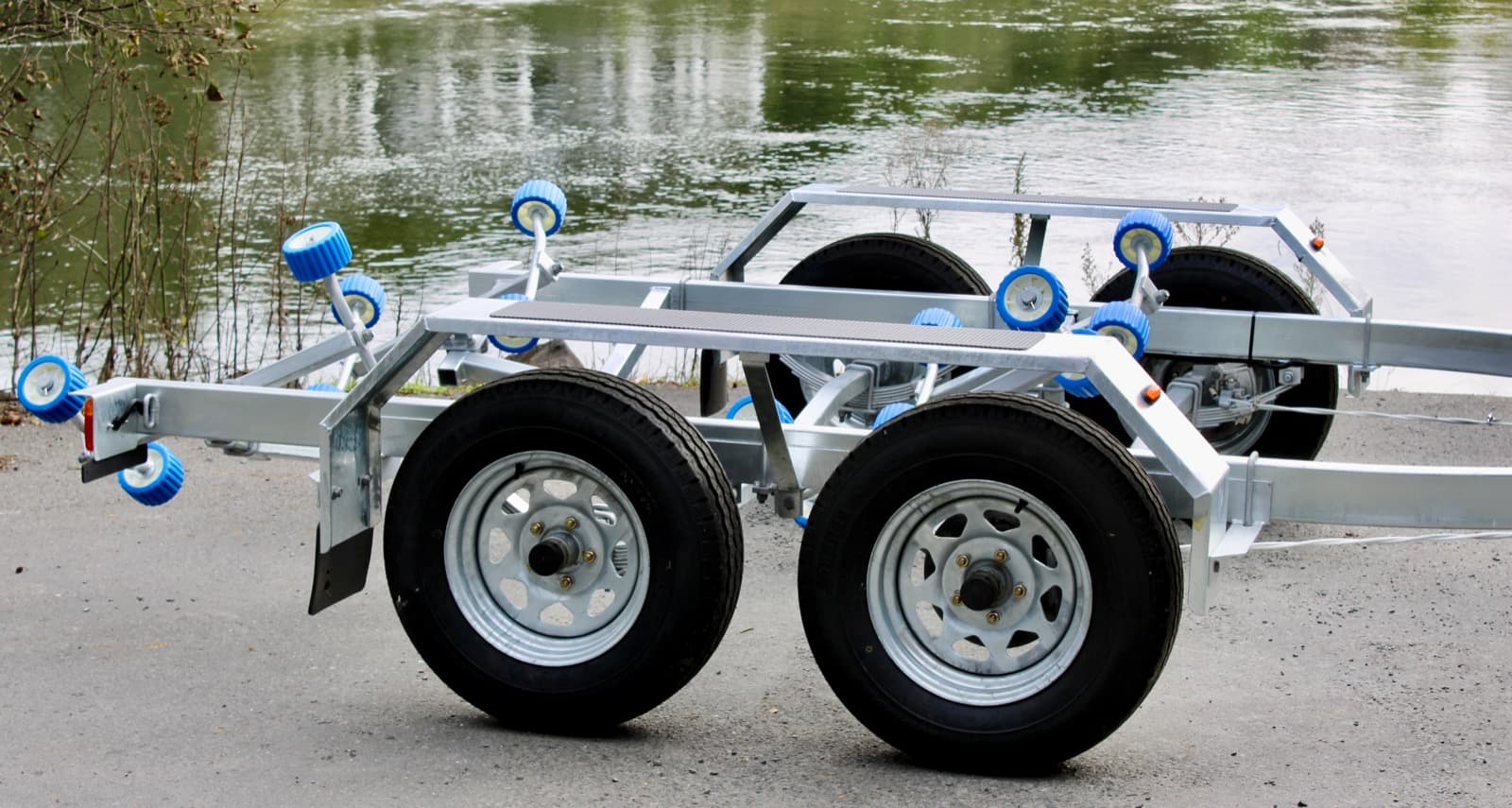
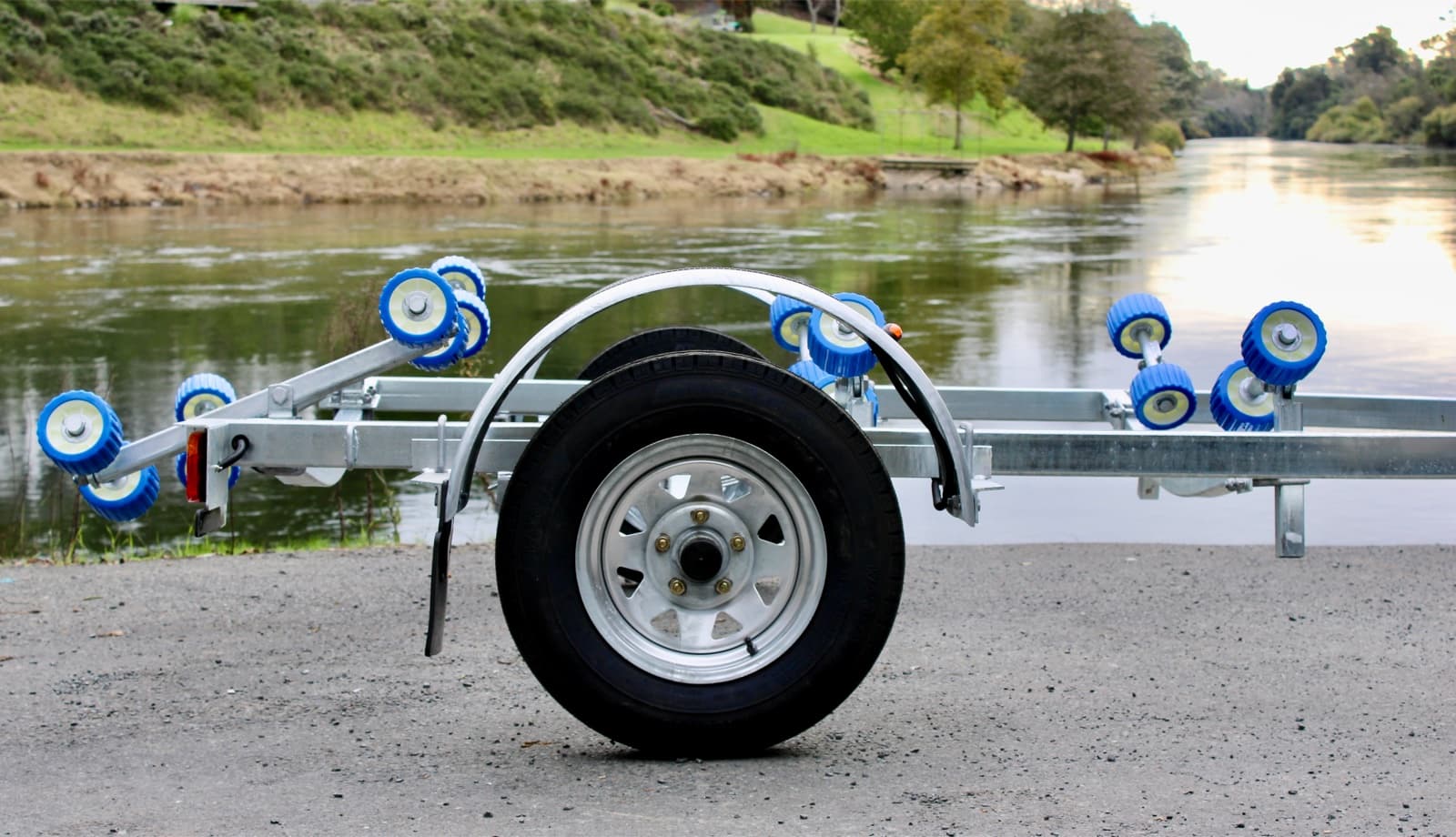
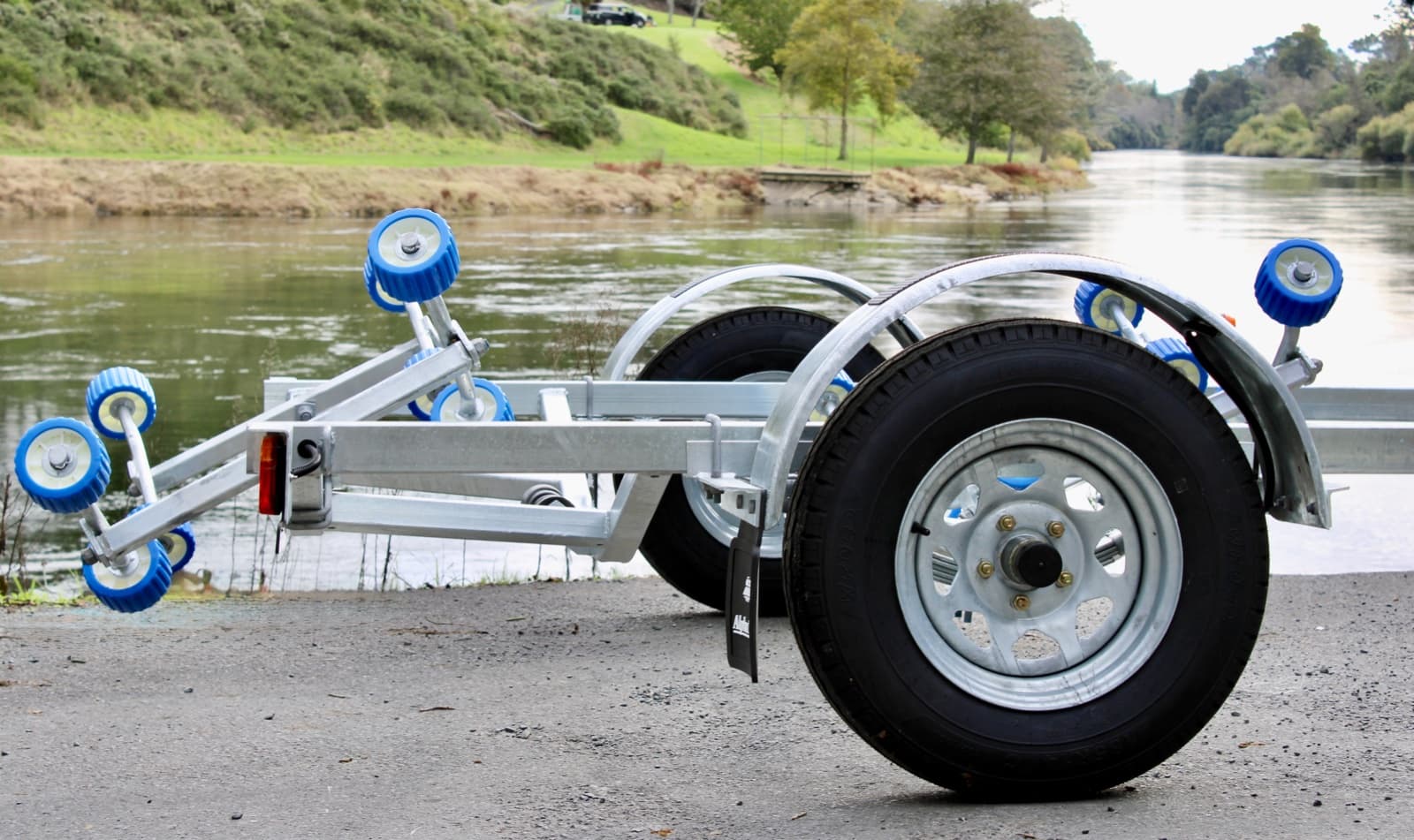
We build our trailers from structural steel and hot-dip galvanise every frame. We chose this approach because it delivers the best balance of strength, corrosion protection, repairability, and value for New Zealand boaters. Galvanised steel gives you a trailer that handles salt water, can be repaired at any engineering shop in the country, and costs less than aluminium for the same or better specs. The hot-dip process coats every surface of the frame — including the insides of hollow sections where moisture can sit — providing protection that spray-on zinc or paint cannot match. Combined with galvanised or stainless steel fasteners, sealed marine bearings, and quality hardware, the result is a trailer built to last in NZ conditions at a price that makes sense.
Maintenance: steel vs aluminium
Both materials need maintenance, but the requirements differ. A galvanised steel trailer should be rinsed with fresh water after every salt water launch. Pay attention to bearings, brakes, and any areas where the galvanising has been scratched. Touch up any exposed steel with cold-galvanising spray. Repack bearings at least once per season. An aluminium trailer needs the same bearing and brake maintenance but requires less frame attention since there is no coating to maintain. However, check for galvanic corrosion around steel fittings, especially where bolts pass through the aluminium frame. Replace any corroding isolators or bushings before the damage spreads. Both types need tyre pressure checks, light inspections, and winch strap replacement every few seasons.
The verdict for NZ boaters
Aluminium is a good material, and there are quality aluminium trailers on the market. But for most New Zealand boaters, hot-dip galvanised steel offers the better all-round package. You get a stronger frame at a lower price point, easier and cheaper repairs when needed, and proven corrosion protection in our coastal conditions. The small weight penalty is irrelevant for most tow vehicles. If weight is your primary concern and budget is less of a factor, aluminium has merit. For everyone else, galvanised steel is the smart choice, and it is why we build every Alpha trailer from it.
Need help choosing a trailer?
Tell us your boat — make, model, length — and where you launch. We'll match the right Alpha trailer and send a quote within one business day.