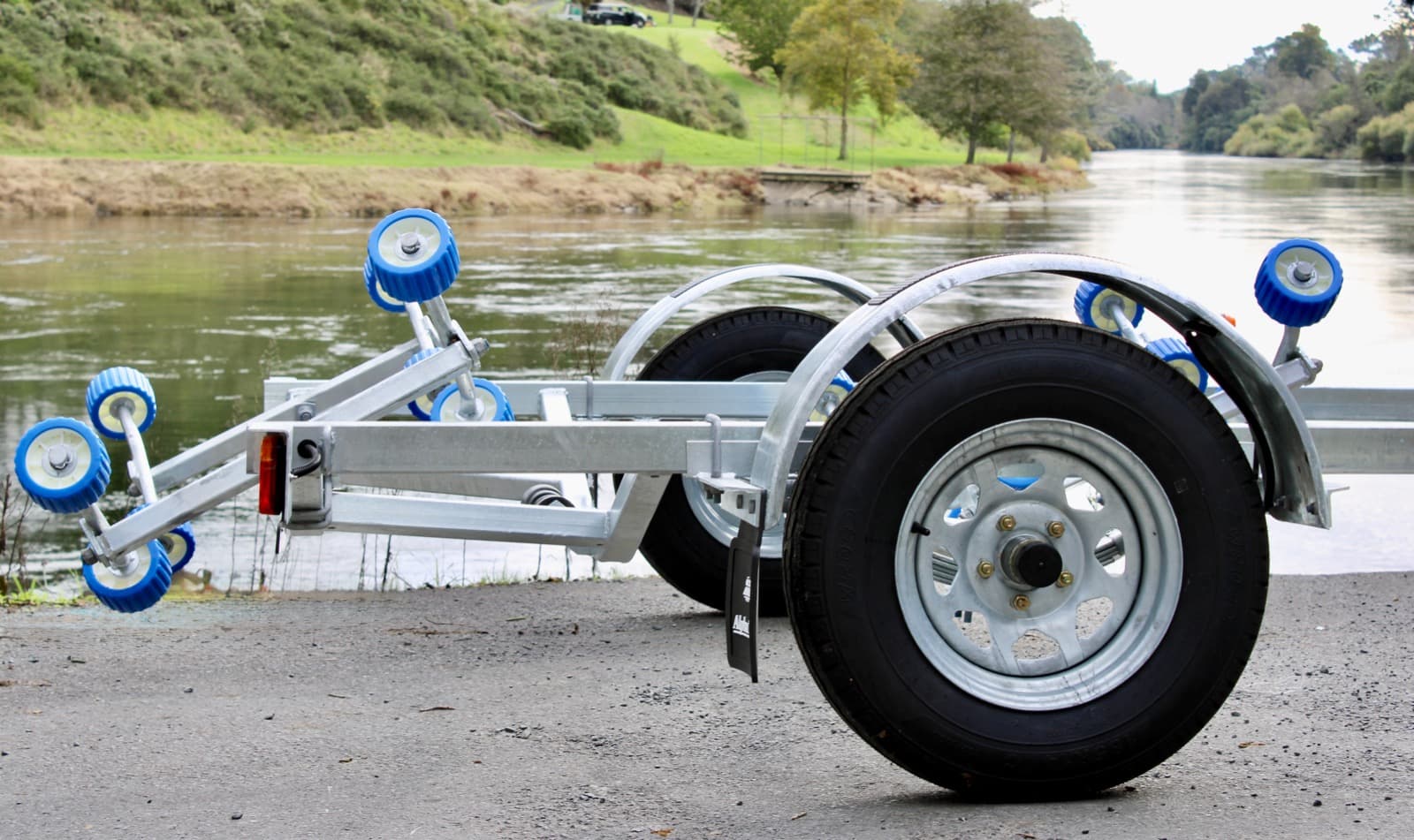
Best Boat Trailers in NZ: What to Look for Before You Buy
Buying a boat trailer in New Zealand? From galvanising and roller type to tow weight and WoF requirements, here's everything Kiwi boaties need to know before choosing a trailer.
Ray — Alpha Trailers
Based in the Waikato, NZ
Why your boat trailer matters more than you think
Your boat trailer does one job — get your boat from the garage to the ramp and back without drama. But a cheap or poorly matched trailer turns every launch into a headache: winch cables fraying, bunks that don't support the hull properly, or a frame rusting out after two seasons of salt water. In New Zealand, where most of us are towing to tidal ramps and salt-heavy coastal launches, trailer quality isn't optional — it's the difference between a decade of trouble-free weekends and a money pit on wheels.
Hot-dip galvanising: the non-negotiable for NZ conditions
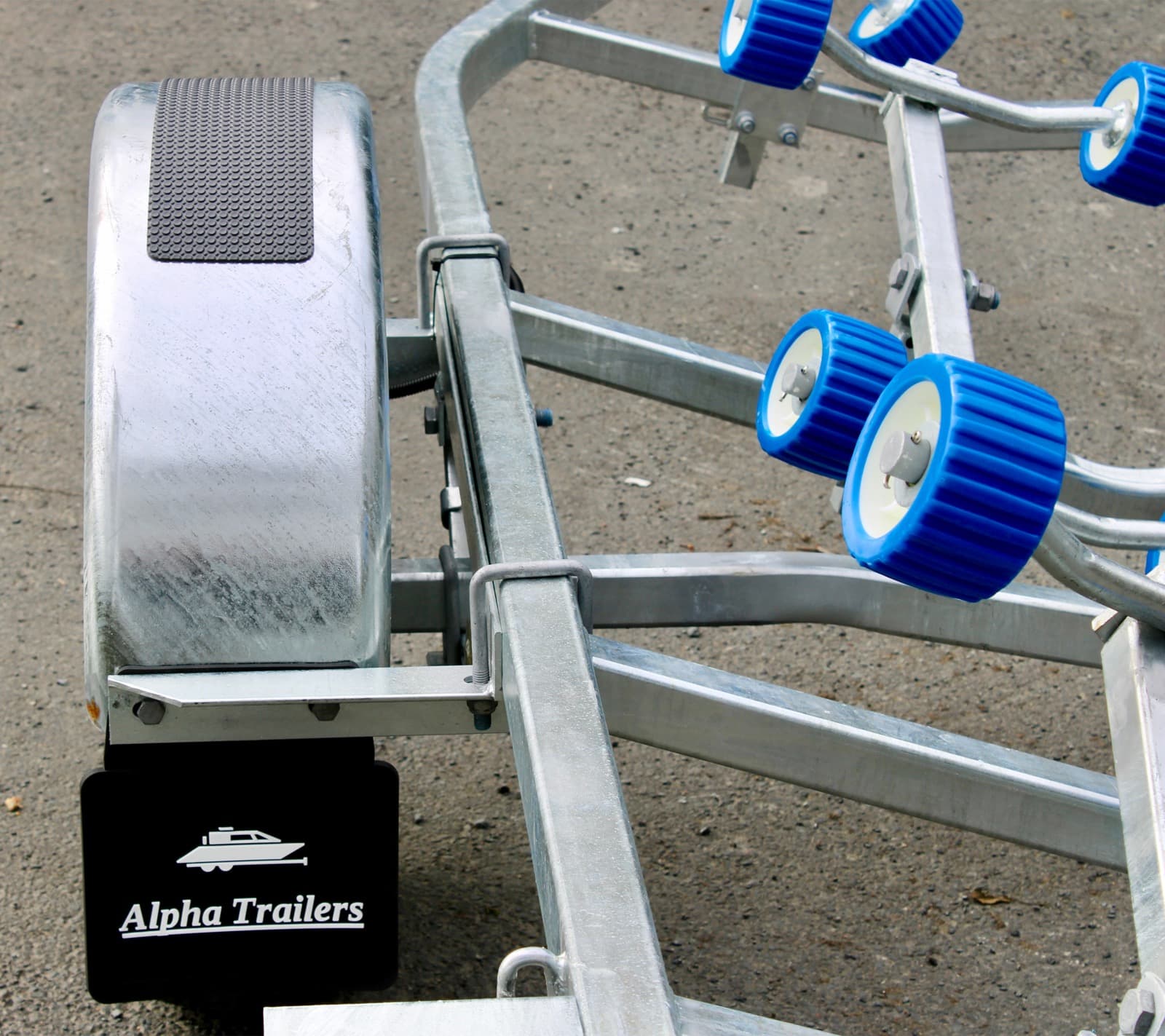
New Zealand's coastal environment is brutal on steel. If your trailer isn't hot-dip galvanised, you're looking at surface rust within the first year and structural concerns within three to five. Hot-dip galvanising submerges the entire frame in molten zinc, coating every surface — inside and out — for long-term corrosion protection. It's the standard across all Alpha Trailers models, and it should be the baseline for any trailer you consider buying in New Zealand.
Carpet pad vs multi-roller: which suits your boat?
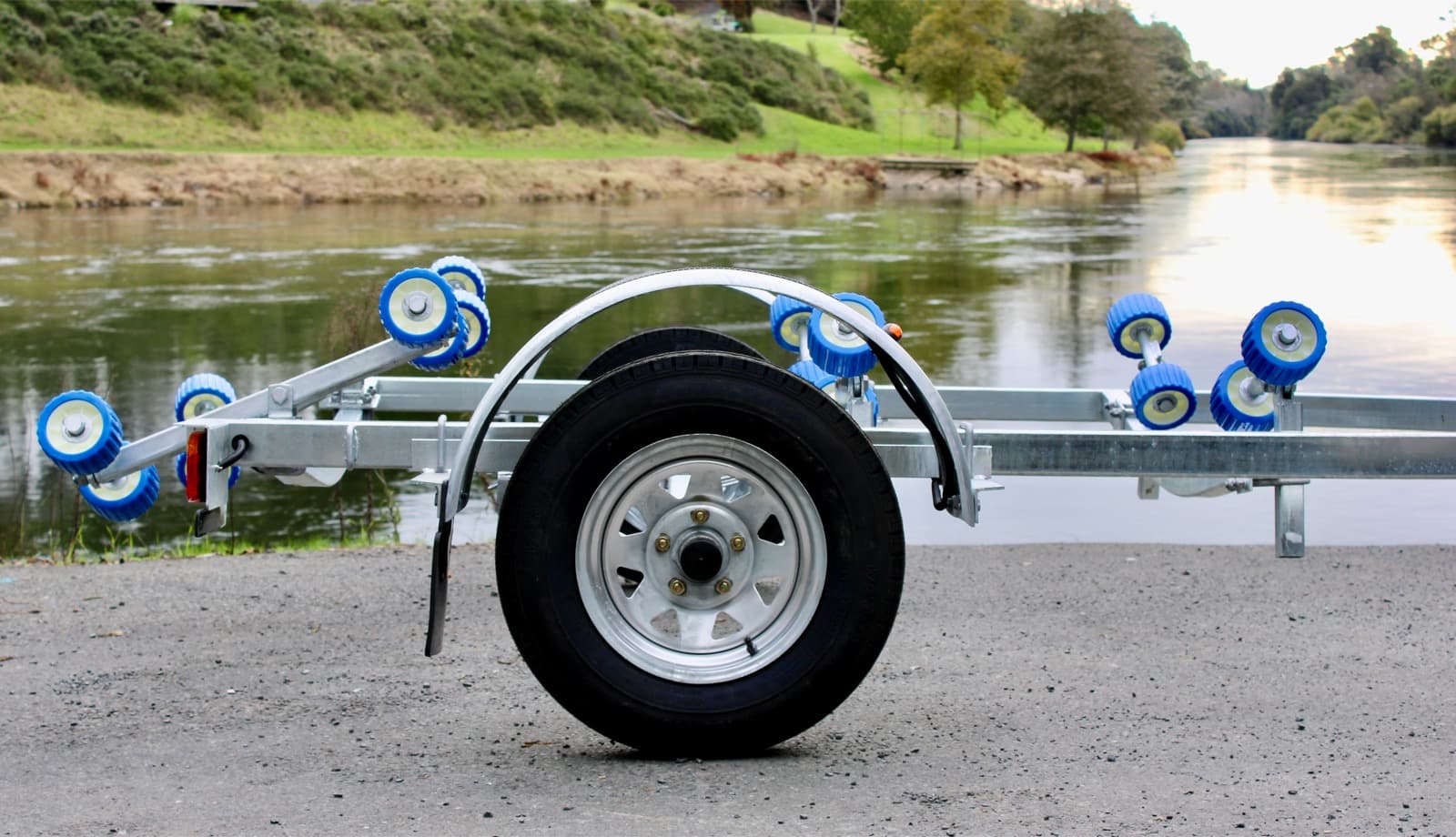
This is one of the most common questions we get asked. The answer depends on your hull shape, how you launch, and how often you're in the water.
- —Carpet pad trailers use padded bunks to cradle the hull. They're gentle on gel coat, great for flat-bottomed or pontoon-style hulls, and work well at ramps where you can back in deep enough to float the boat off.
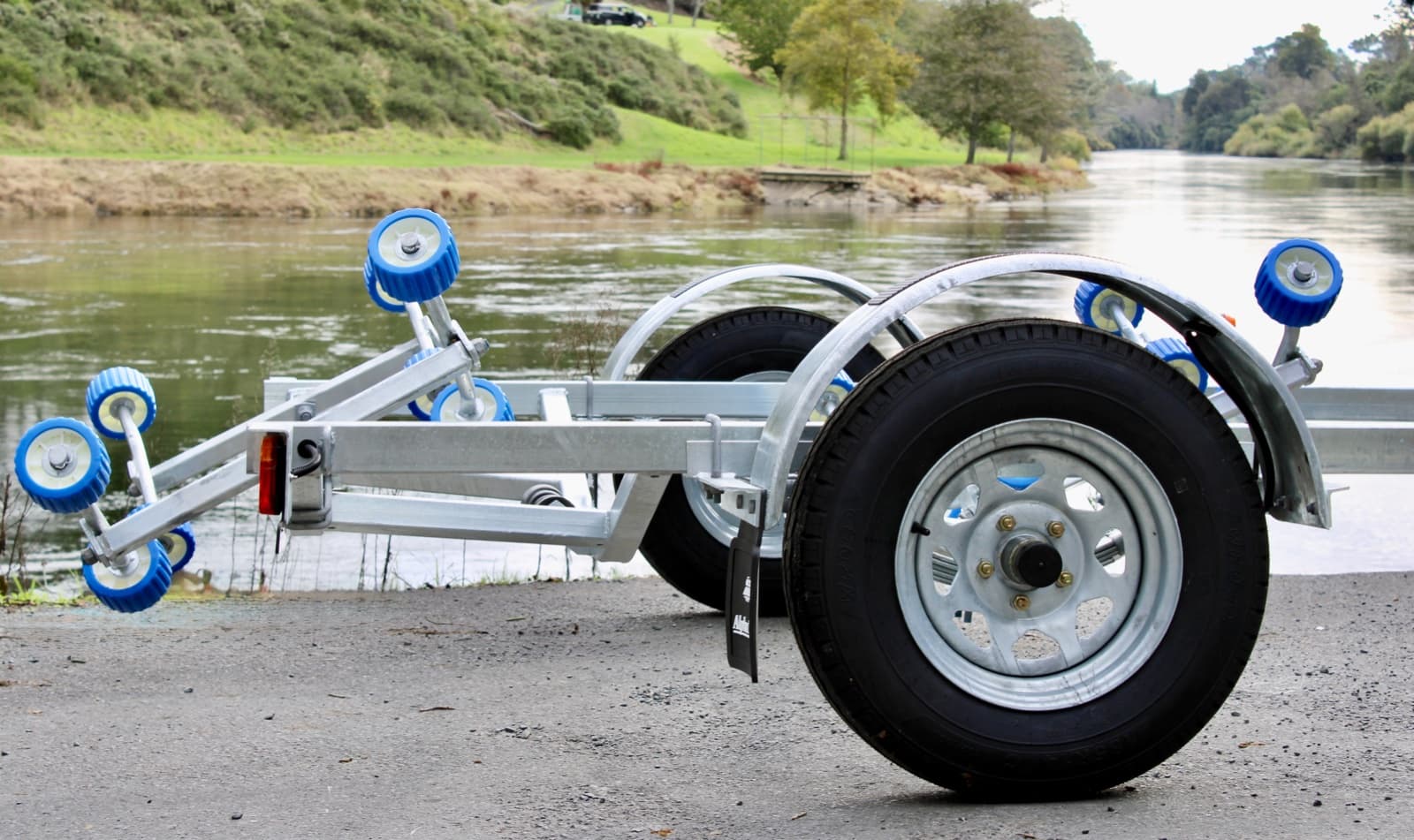
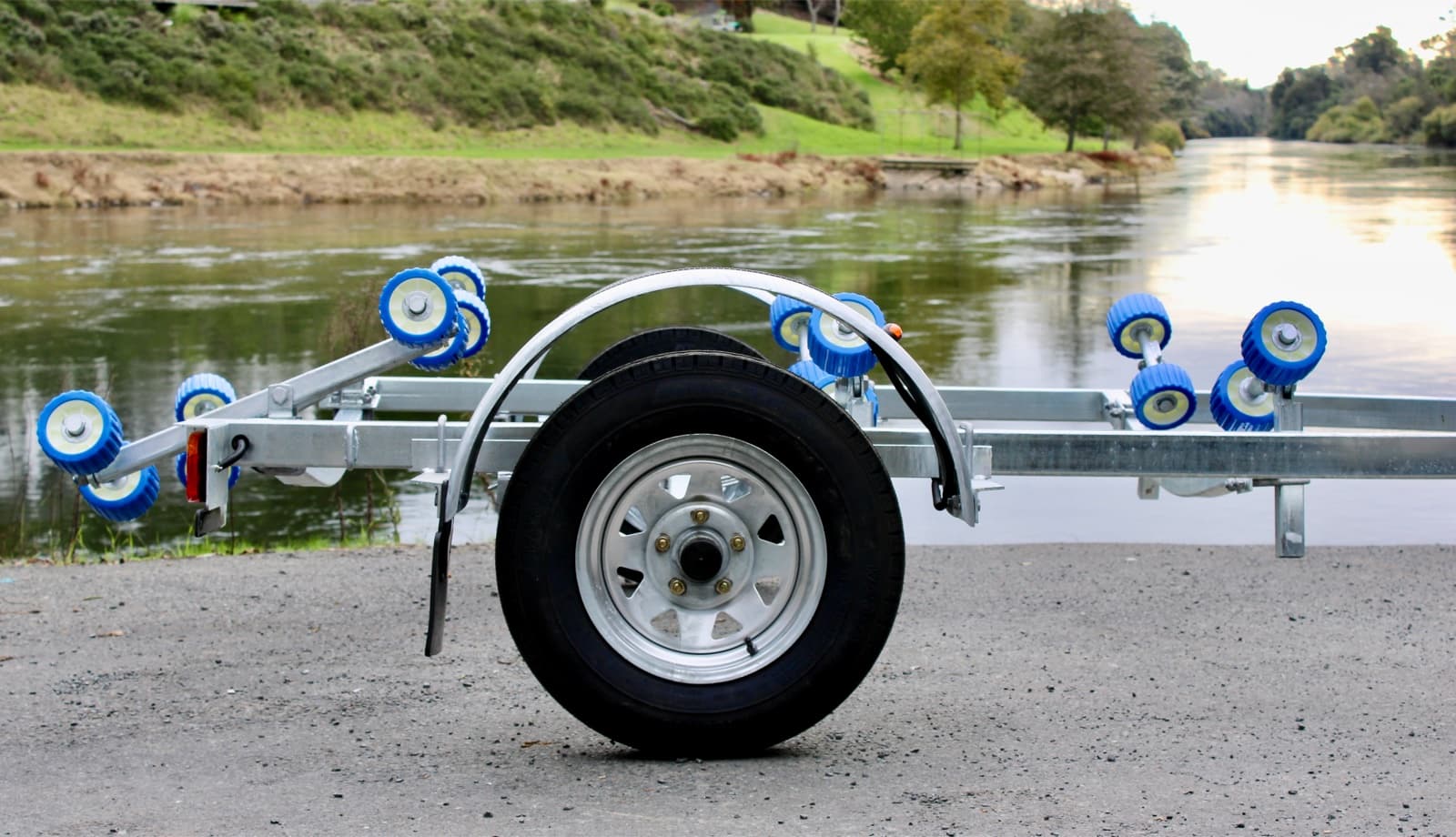
- —Multi-roller trailers use sets of keel and side rollers to guide the hull on and off. They're better for V-hull boats, allow launching in shallower water, and make solo loading much easier since the boat self-centres on the rollers.
- —If you're launching at tidal ramps or shallow beaches, rollers are usually the better choice. If you have a flat hull and always launch at a steep, deep ramp, carpet pads work well.
Single axle vs tandem axle
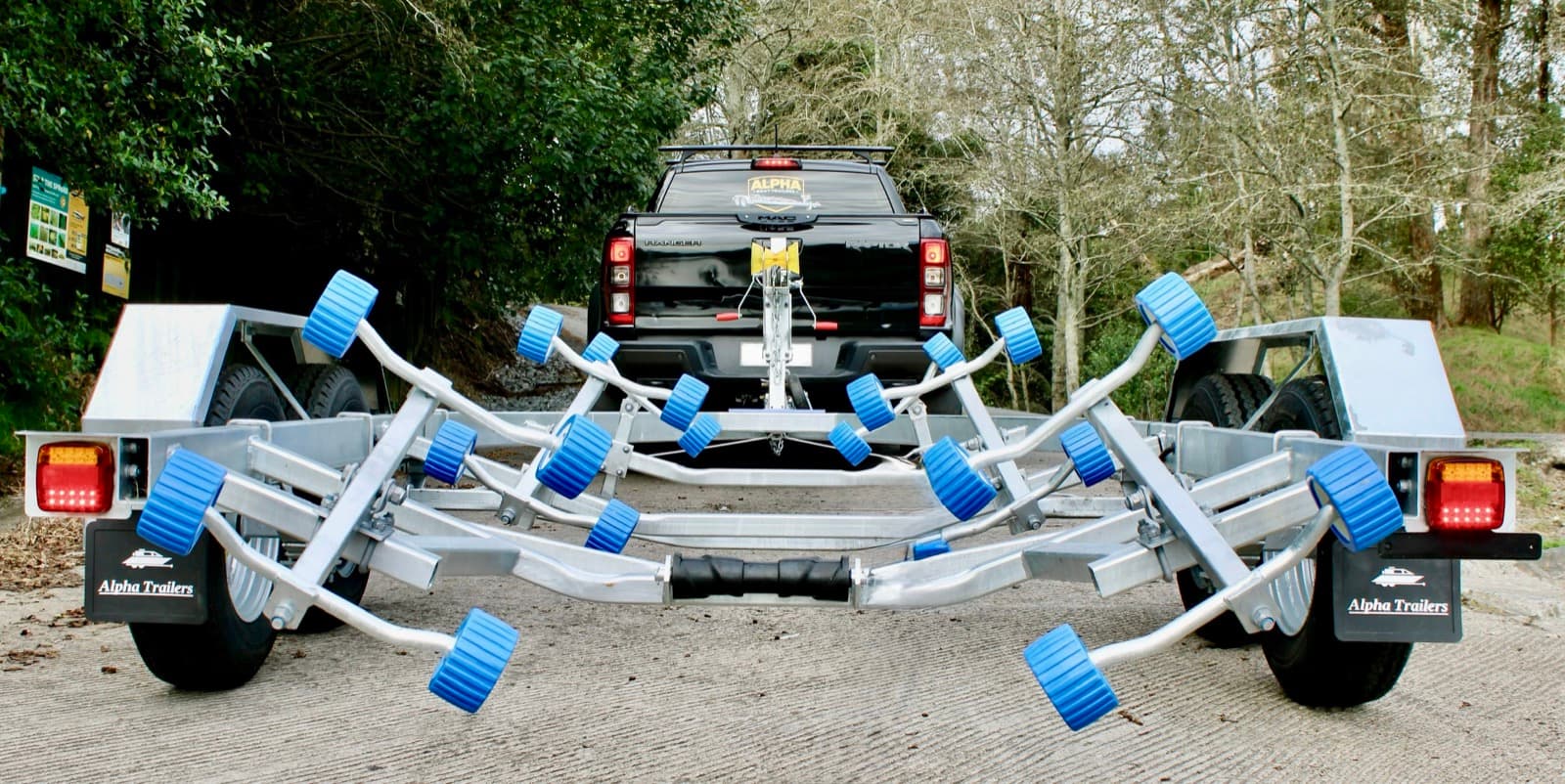
Single-axle trailers suit boats up to around 5 metres (roughly 16 feet). They're lighter, easier to manoeuvre by hand, and cheaper to register and maintain. Tandem-axle trailers spread the load across four wheels, giving you better stability at highway speeds, less tyre wear, and a safety net if you get a blowout — the remaining wheels keep you moving. For boats over 5 metres or heavier alloy hulls, tandem is the way to go.
Tow weight and vehicle matching
Before you buy any trailer, check your vehicle's tow rating — both the braked and unbraked limits. In New Zealand, unbraked trailers are limited to 750 kg gross (trailer plus boat plus gear). Anything heavier needs trailer brakes. Most mid-size boat-and-trailer combos sit between 800 kg and 1,500 kg gross, which means you'll need a braked trailer and a vehicle rated accordingly. Your vehicle's tow ball weight rating matters too — that's the downward force on the hitch, and exceeding it affects steering and braking.
WoF and registration: what the law requires
All trailers in New Zealand with a gross vehicle mass over 750 kg must be registered and have a current Warrant of Fitness. WoF inspections check lights, tyres, wheel bearings, coupling, safety chain, and structural integrity. Even if your trailer is under 750 kg, it still needs to be registered if you're using it on public roads. Keep your bearings greased, check your lights before every tow, and you'll sail through inspections.
What to look for when comparing trailers
When you're comparing boat trailers from different brands, focus on these specifics rather than headline price alone:
- —Steel origin and grade — quality structural steel (like Alpha uses) outlasts generic mild steel
- —Galvanising method — hot-dip is superior to spray-on or electroplated zinc
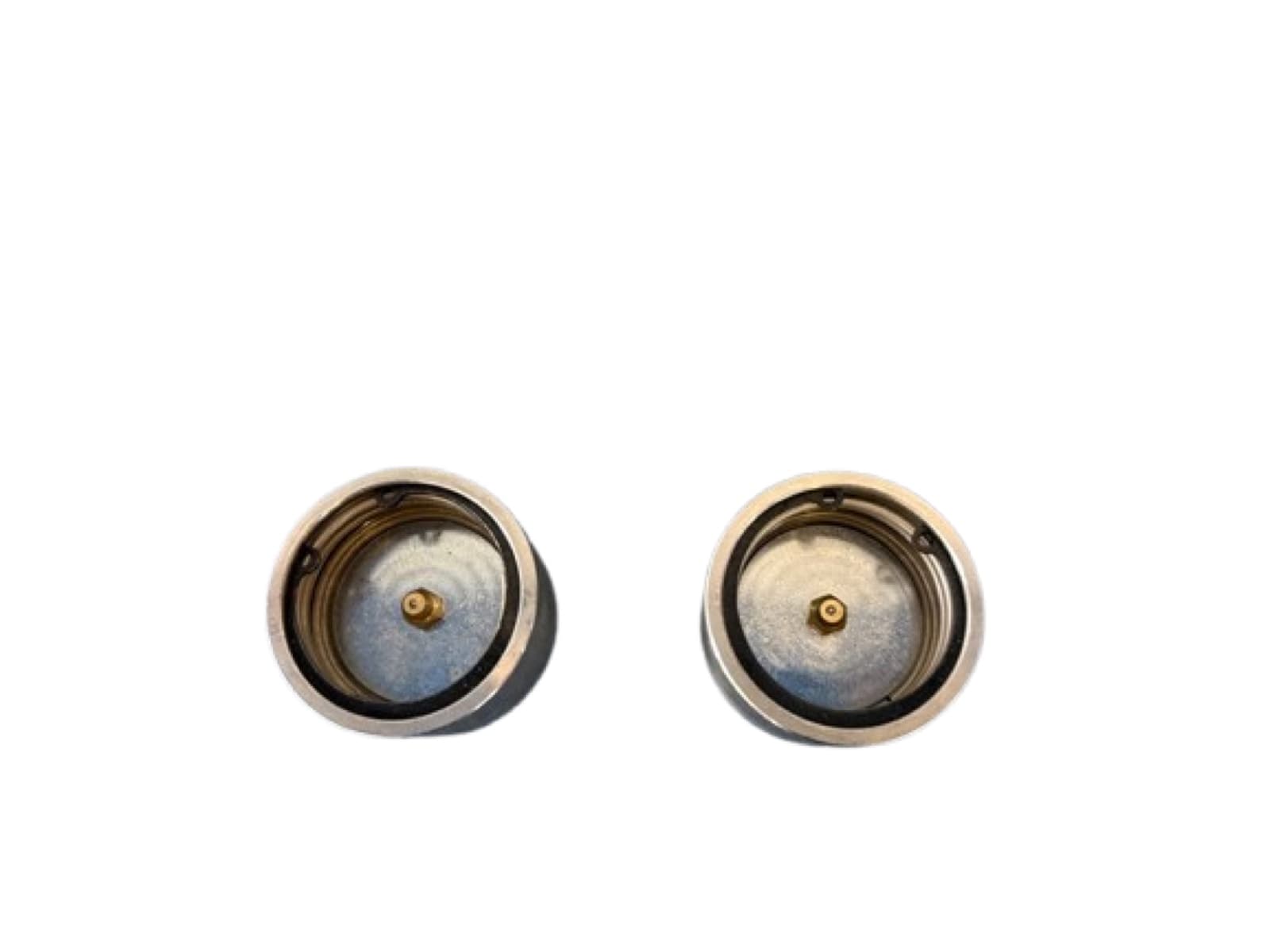
- —Bearing type — sealed marine bearings resist water ingress at the ramp
- —Roller or bunk quality — cheap plastic rollers crack; wobble rollers with good bushings last years
- —Winch and coupling brand — a quality winch saves your back and your boat
- —What's included vs what's extra — some brands quote a base price then charge for wobble rollers, jockey wheel, and spare wheel carrier separately
Why more Kiwi boaties are switching to Alpha
Alpha Trailers are built with structural steel that exceeds the grade most NZ brands use. Every trailer is hot-dip galvanised, fitted with sealed marine bearings, and comes with a real spec sheet — no hidden extras. Competitively priced across the range for comparable or better specs. We deliver nationwide and match each trailer to your specific boat, hull type, and launch conditions. If you're buying a boat trailer in New Zealand, get a quote from us before you commit — the comparison speaks for itself.
Need help choosing a trailer?
Tell us your boat — make, model, length — and where you launch. We'll match the right Alpha trailer and send a quote within one business day.