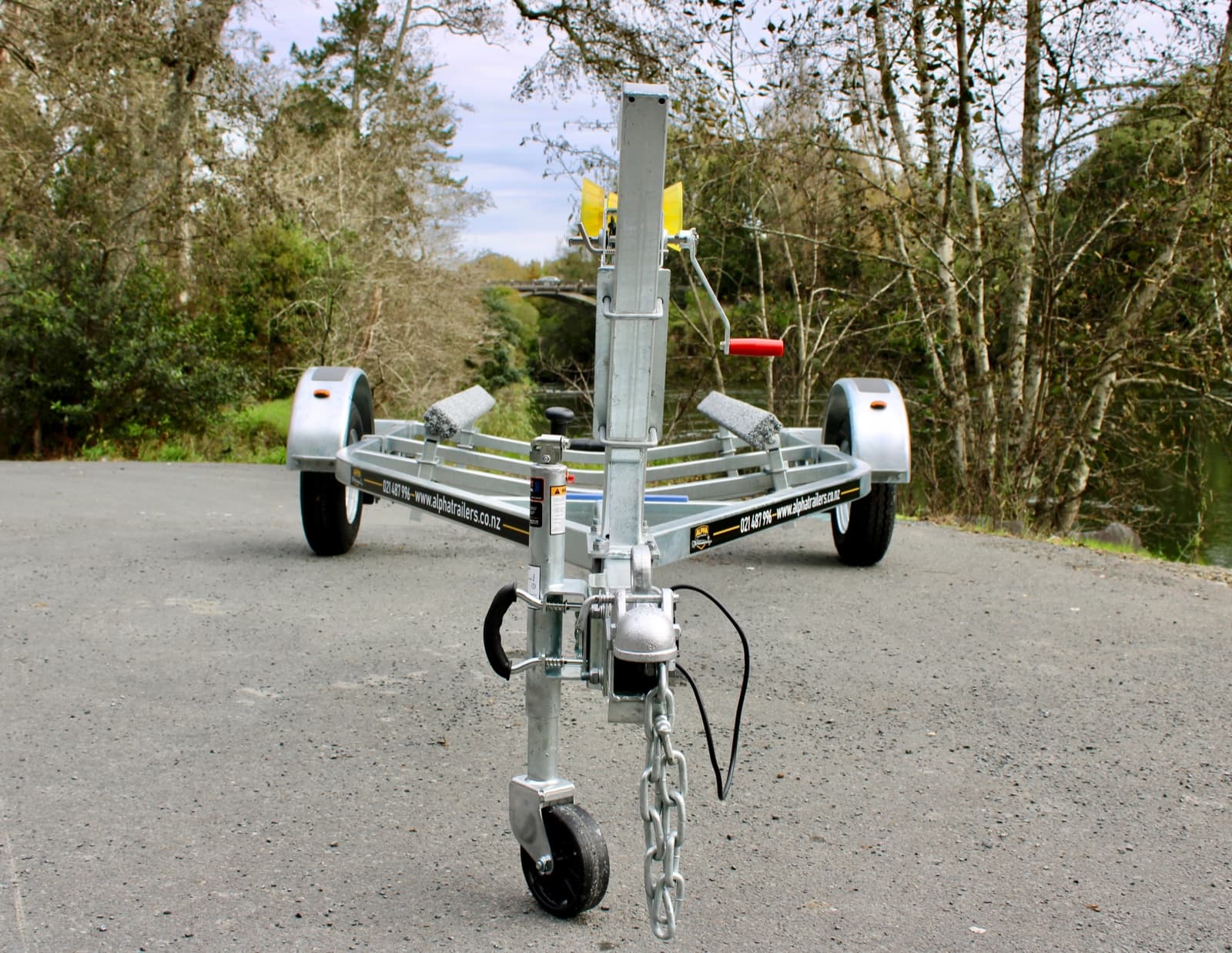
Bunk vs Roller Boat Trailer: Which Is Right for Your Boat?
Should you go bunks or rollers? We break down the pros and cons of each trailer type, which hull shapes suit which, and why your launch conditions matter more than you think.
Ray — Alpha Trailers
Based in the Waikato, NZ
The most common question we get asked
Every week someone calls or emails asking the same thing: should I get bunks or rollers on my boat trailer? It is a fair question, because the answer genuinely depends on your boat, where you launch, and how you use your trailer. There is no single right answer for everyone, but there is a right answer for your specific situation. This guide breaks down how bunk (carpet pad) trailers and roller trailers work, the advantages and trade-offs of each, and how to decide which suits your setup in New Zealand conditions.
What are bunk (carpet pad) trailers?
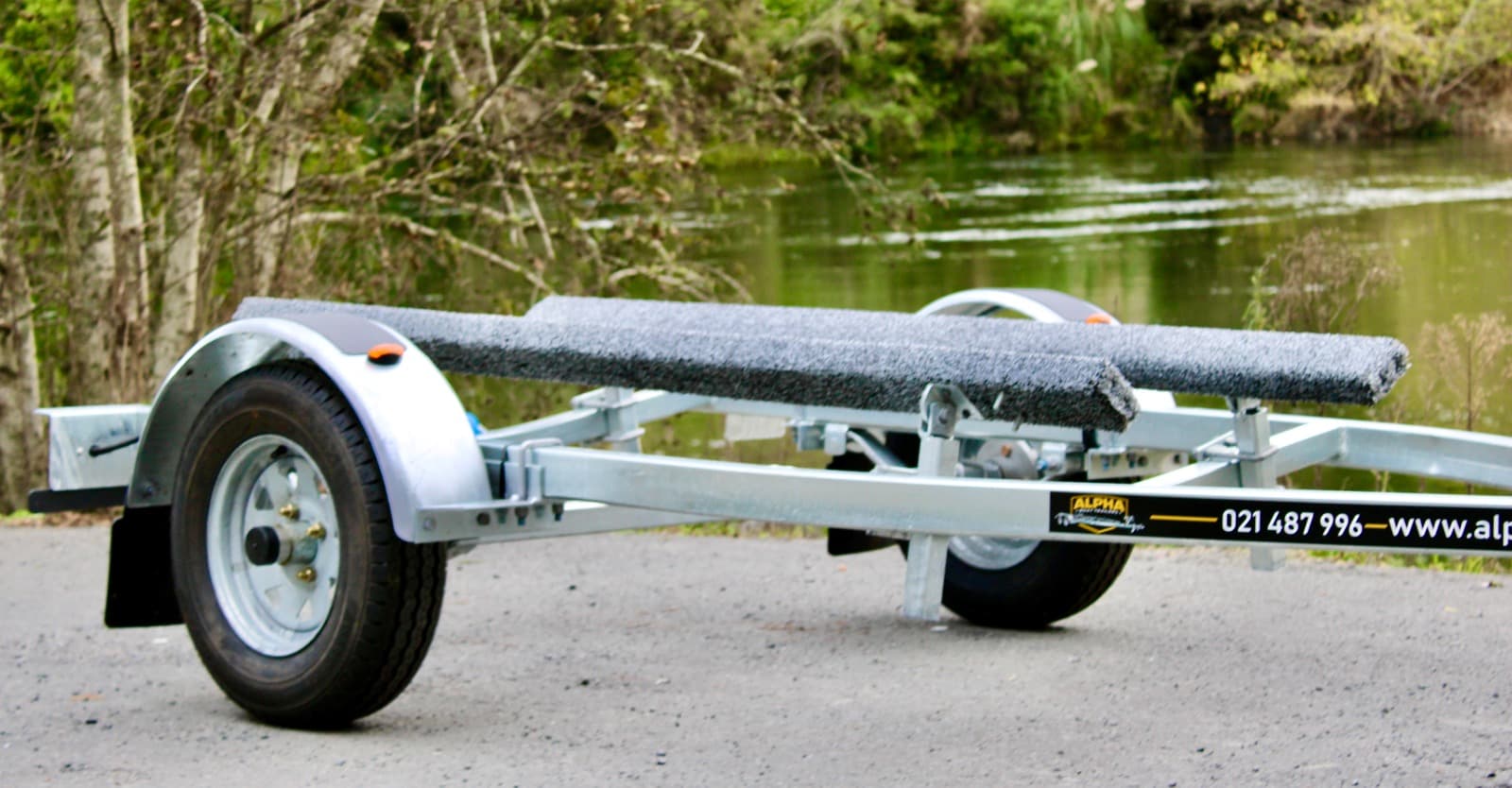
Bunk trailers use long padded supports — usually timber bunks covered in synthetic carpet or lawn — to cradle the hull. The boat sits on two or more bunks that run along the bottom of the hull, distributing the weight across a large contact area. When you launch, you need to back the trailer deep enough that the boat floats off the bunks. When you retrieve, you winch the boat up onto the bunks until it settles into position.
- —Large contact area distributes weight evenly across the hull
- —Gentle on gel coat and painted finishes — no point loading on the hull surface
- —Fewer moving parts — less maintenance and nothing to seize or wear
- —Generally $200 to $400 cheaper than equivalent roller models
- —Work best with flat-bottomed, pontoon-style, or wide-beam hulls
- —Require deeper water at the ramp to float the boat off and on
- —Can make solo loading harder because the boat does not self-centre
What are roller trailers?
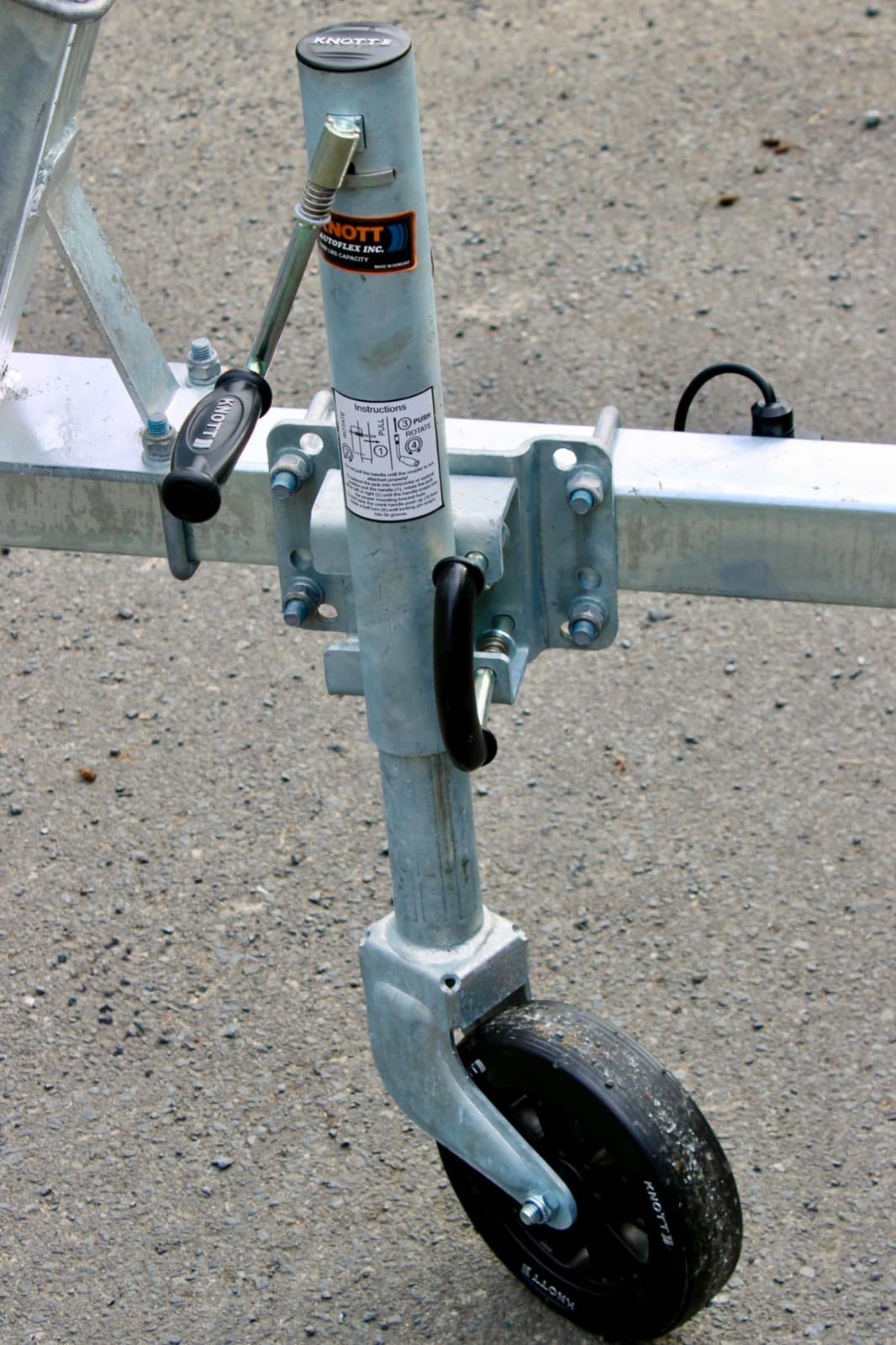
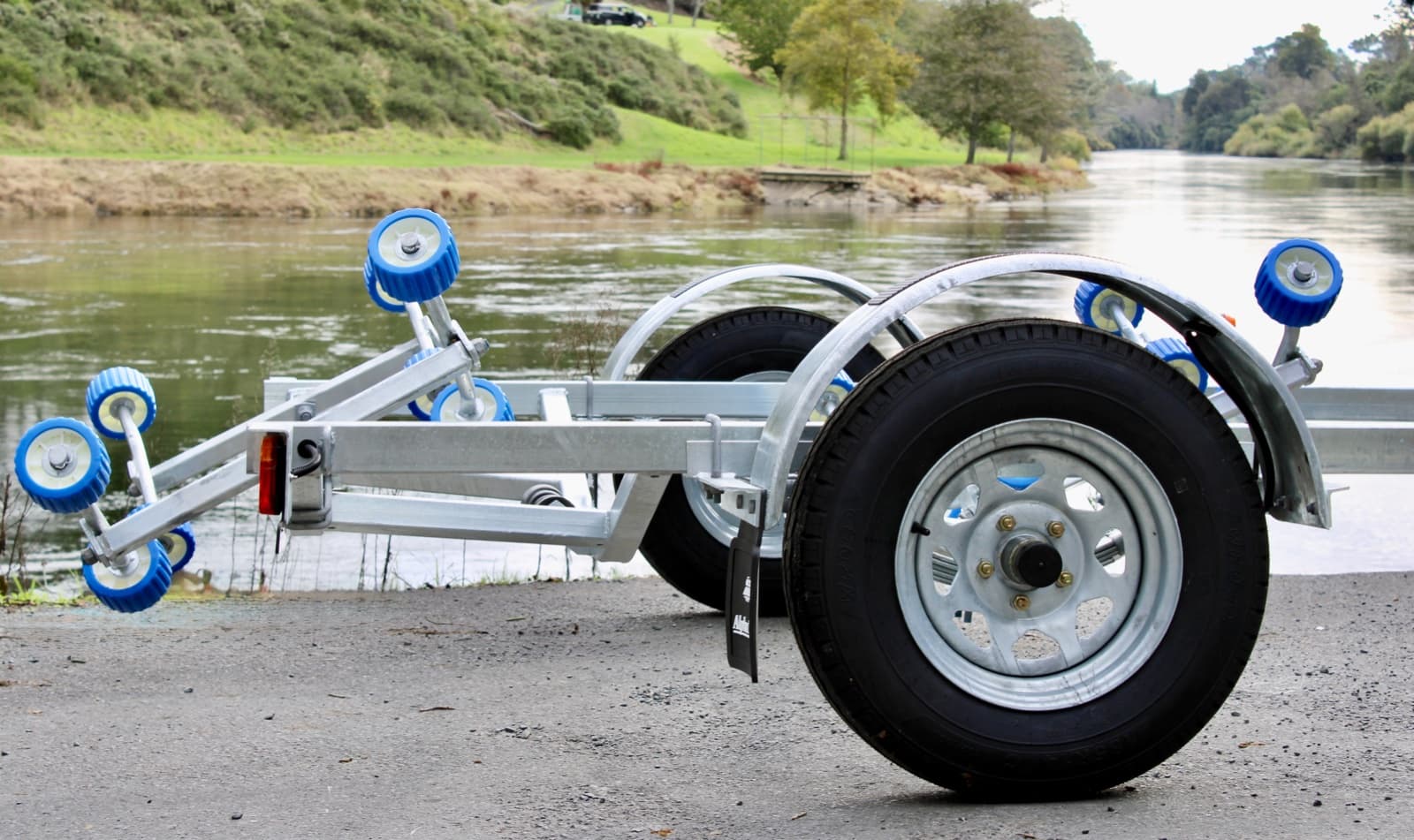
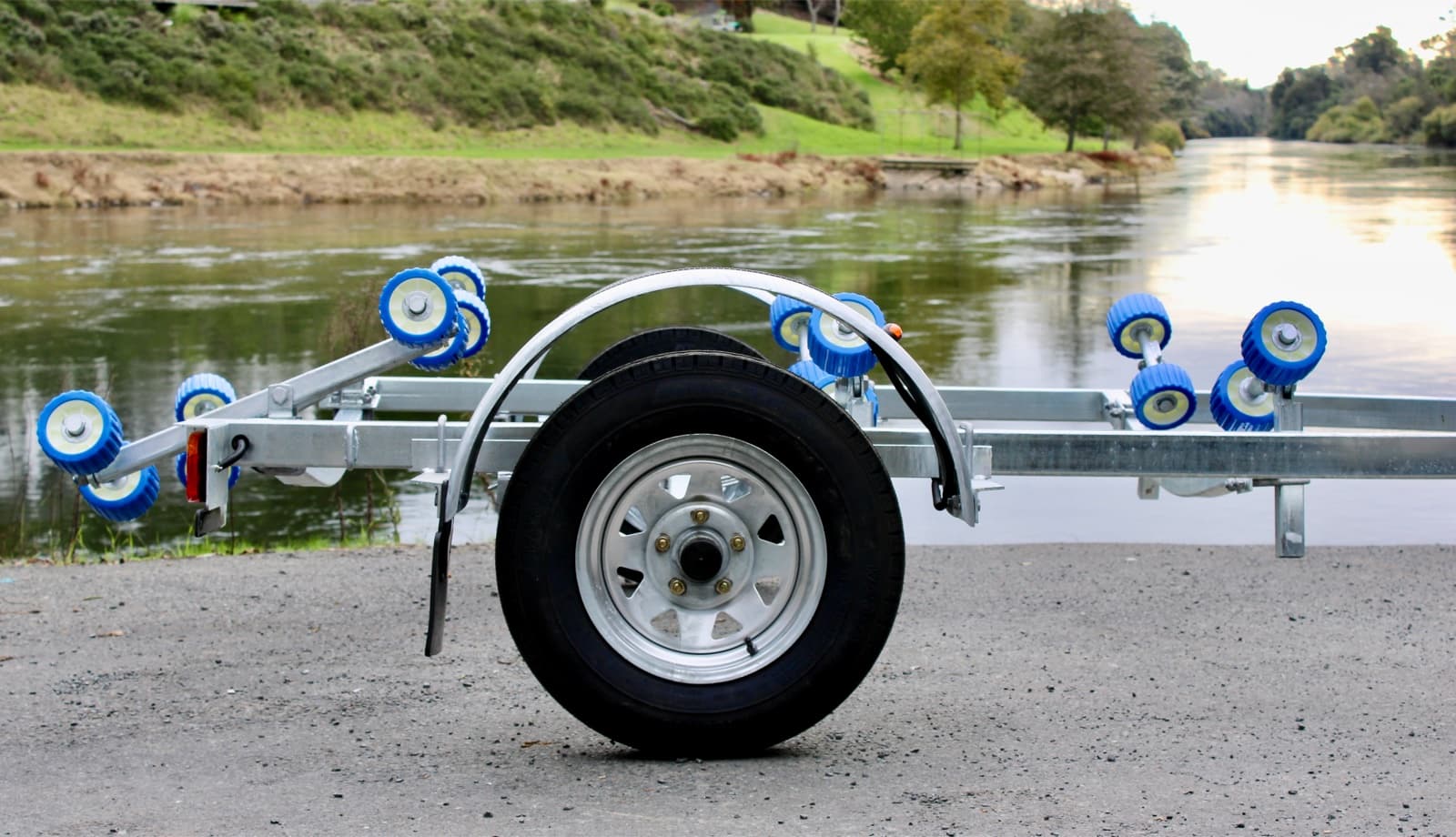
Roller trailers use a series of individual rollers — keel rollers down the centre and side (wobble) rollers supporting the hull sides — to guide the boat on and off the trailer. The boat rolls along these rather than sliding on a flat surface. This means you can launch in shallower water because the boat slides off under its own weight, and retrieval is easier because the hull self-centres as you winch it up the rollers.
- —Launch and load in shallower water — the boat rolls rather than needing to float free
- —Self-centring — the hull guides itself between the rollers during retrieval
- —Easier solo loading, especially in crosswinds or current
- —Better suited to V-hull and deep-vee aluminium and fibreglass boats
- —Work well at tidal ramps where water depth varies through the day
- —More moving parts — rollers, bushings, and pins need periodic inspection
- —Slightly more expensive than bunk trailers of the same size
Which hull types suit which trailer?
Hull shape is the biggest factor in choosing between bunks and rollers. Flat-bottomed boats, pontoon boats, and soft-bottom inflatables sit naturally on bunks because the hull's flat surface matches the flat bunk surface. There is maximum contact area and minimal point loading. V-hull boats — which includes most aluminium tinnies, fibreglass runabouts, and offshore hulls in New Zealand — are better suited to rollers. The keel rollers support the V of the hull, while the side rollers hold the boat upright and centred. Trying to sit a deep-V hull on flat bunks can result in the boat rocking or not seating properly, which causes wear on both the hull and the bunks.
How your launch conditions matter
Where you launch matters almost as much as your hull shape. If you mainly use deep, steep ramps with consistent water depth — like many freshwater lakes — bunks work fine because you can always back in deep enough to float the boat. But if you regularly launch at tidal ramps, shallow beaches, or ramps that get exposed at low tide, rollers have a clear advantage. At a shallow ramp, a roller trailer lets you launch by sliding the boat off the back without needing deep water. This is common across New Zealand's coastal and harbour ramps, where water depth at the ramp end can vary by a metre or more through the tide cycle. For most Kiwi boaters launching at coastal ramps, rollers are the more practical choice.
Alpha's multi-roller system
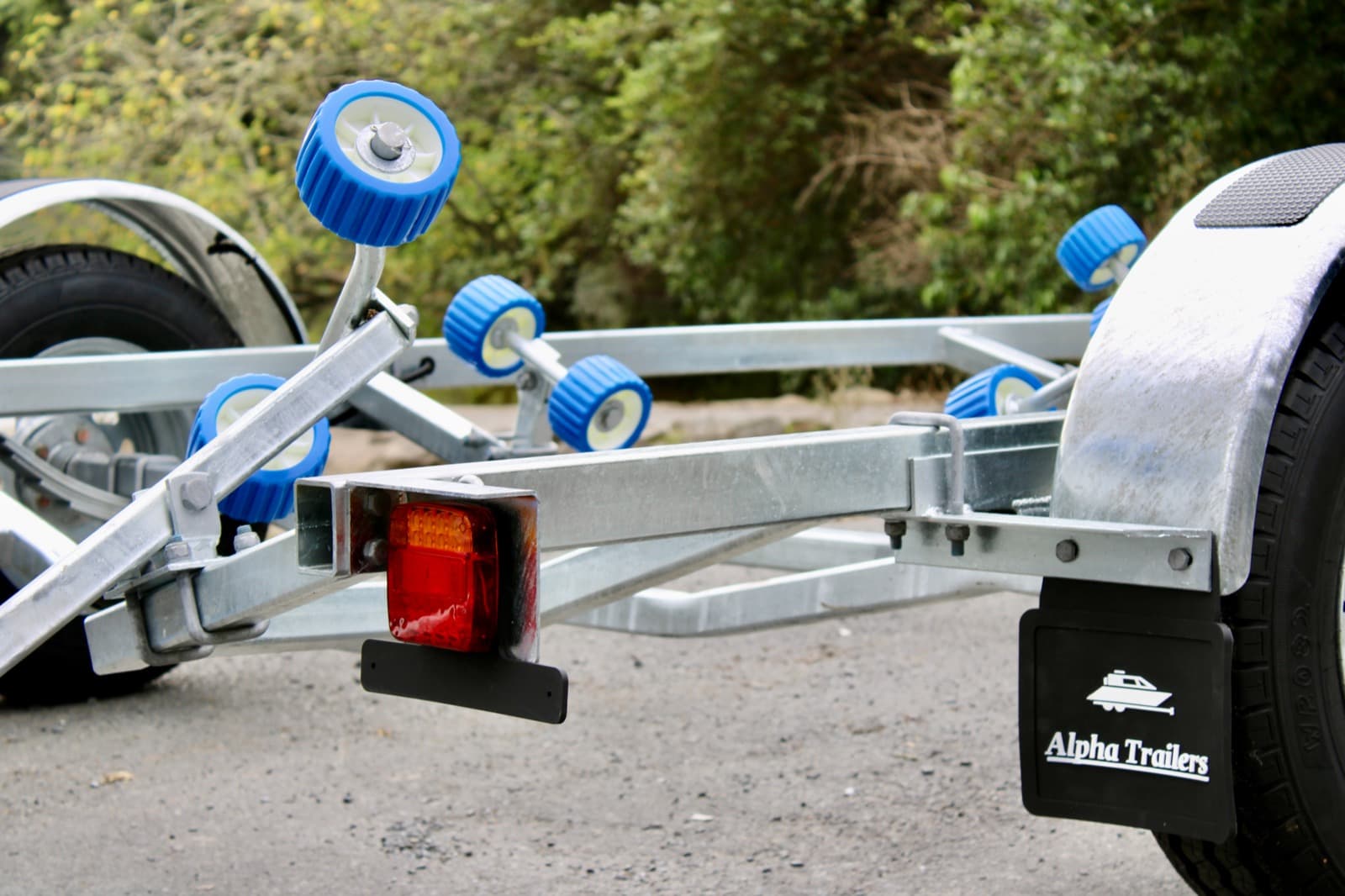
Alpha Trailers uses a multi-roller system across our SR range, with 12 to 28 rollers depending on the trailer model. Keel rollers support the hull centreline, while wobble rollers on adjustable arms support the sides and guide the boat into position. Every roller position is fully adjustable, so we can configure the setup to match your specific hull shape — whether that is a narrow-beam tinny or a wide offshore hull. The wobble rollers have quality bushings that resist seizing, even after repeated salt water immersion. For boats where bunks are the better option — flat-bottomed hulls, inflatables, jet skis — our CP range uses 1.8-metre carpet pads with synthetic lawn covering. The pads can be made to customer requirements, so if your hull shape needs a non-standard bunk length or angle, we accommodate that.
Maintenance differences
Bunk trailers are simpler to maintain. The bunks themselves need inspection for carpet wear — once the carpet wears through to bare timber, it can damage your hull's gel coat or paint. Replacing bunk carpet is straightforward and inexpensive. Roller trailers require more attention. You need to periodically check each roller by spinning it by hand. Any roller that is stiff, cracked, or has excessive play should be replaced. Wobble roller bushings can seize after prolonged salt water exposure if not rinsed after use. That said, well-maintained rollers last for years, and a quick rinse after every salt water launch goes a long way. Alpha stocks replacement rollers and bushings for all our trailer models.
The bottom line: how to decide
Choose carpet pad bunks if you have a flat-bottomed hull, pontoon boat, or inflatable, and you mainly launch at deep, consistent ramps. Choose multi-rollers if you have a V-hull aluminium or fibreglass boat and launch at tidal or shallow coastal ramps. If you do a mix of both conditions, rollers give you the most versatility across different launch sites. Not sure? Tell us your boat and where you launch, and we will recommend the right setup. Every Alpha trailer is built to the same heavy-duty standard regardless of whether it runs bunks or rollers — the difference is simply which hull support system suits your boat best.
Need help choosing a trailer?
Tell us your boat — make, model, length — and where you launch. We'll match the right Alpha trailer and send a quote within one business day.